
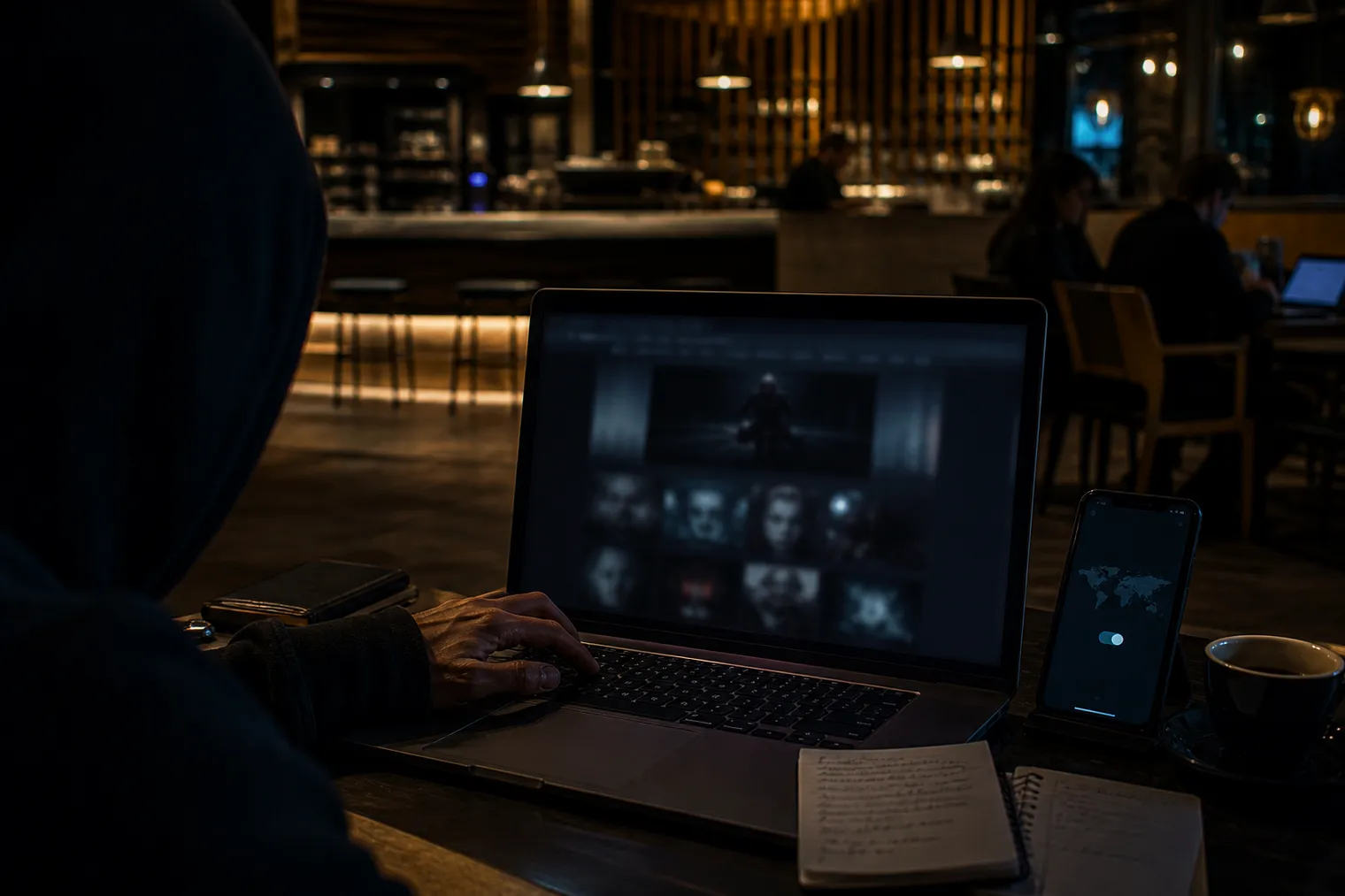
Dark web horror websites range from fictional creepypasta archives and urban legend forums to disturbing (but legal) shock content and true crime discussions. Most "horror" content consists of exaggerated myths or recycled surface web material repackaged for shock value. Three common categories:
Creepypasta and fiction sites – collaborative horror stories and ARG-style narratives
Shock content repositories – graphic medical images, accident footage, extreme body modification
True crime archives – case files, court documents, forensic photography from historical investigations
What Are Dark Web Horror Websites?
Dark web horror websites encompass a variety of content that ranges from fictional narratives to disturbing imagery. These sites often include creepypasta archives, urban legend repositories, and shock content, while some may also host genuinely illegal material. Understanding the distinction between entertainment and danger is crucial.
Horror as a genre typically aims to entertain by evoking fear or suspense. In contrast, some dark web sites host genuinely dangerous content, including illegal activities and exploitation. For example, while creepypasta sites share fictional horror stories, other platforms might present graphic content that crosses legal boundaries.
The migration of horror content to the dark web can be attributed to several factors. Censorship resistance allows creators to share unfiltered material without the constraints of mainstream platforms. Anonymity plays a role in encouraging users to explore taboo subjects. The shock value culture thrives here, where users seek adrenaline through extreme content.
Examples of dark web horror content include:
Text-based horror stories: Collaborative narratives that evolve with user contributions.
Image boards: Platforms for sharing disturbing or unsettling imagery.
Video repositories: Sites hosting horror-themed videos, including found footage and experimental films.
Interactive experiences: Games or narratives that engage users in unique horror scenarios.
As we navigate these sites, we must remain vigilant. While many horror websites may be benign, others can lead to illegal activities or expose users to harmful material. Always prioritize safety by using tools like Tor Browser and VPNs when exploring the dark web.
How to Access Dark Web Horror Sites Safely
Accessing dark web horror sites requires careful preparation and an understanding of the risks involved. Follow these steps to ensure your safety while exploring.
Step 1: Download Tor Browser
Start by downloading the Tor Browser from the official Tor Project website. This ensures that your connection is secure and prevents tampering[1]. Avoid downloading from unofficial sources to minimize risks.
Step 2: Configure Security Settings
Once you install Tor Browser, configure your security settings. Set the security level to "Safest" to disable JavaScript and other potentially harmful features. This is critical when visiting unknown sites, as JavaScript can be exploited to reveal your identity.
Step 3: Use a VPN
Layering your security by using a Virtual Private Network (VPN) is essential. A VPN encrypts your internet traffic and masks your IP address, adding an extra layer of anonymity. Choose a reputable VPN service that does not keep logs of your activity.
Step 4: Explore Onion Sites
To access horror content, use .onion links found on directories like the Hidden Wiki. These sites are only accessible through Tor and can host a variety of content, from creepypasta to shock images.
Safety Rules
Never download files from unknown sources. This can expose you to malware or illegal content.
Disable JavaScript for all unknown sites to protect your privacy and security.
Use Tails OS for maximum anonymity. This live operating system runs from a USB stick and leaves no trace on your device.
Legal and Psychological Warnings
Be aware of the legal implications of accessing certain content. For instance, viewing illegal material such as child pornography is punishable under federal law[2][3]. The psychological impact of some horror content can be severe, potentially leading to distress or anxiety. Always prioritize your mental health and be cautious about the content you engage with.
By following these steps and guidelines, you can navigate the dark web horror landscape more safely. Remember, while many sites offer intriguing content, others may expose you to illegal activities or harmful material. Stay informed and cautious.
Notable Dark Web Horror Websites and Onion Links
Exploring the dark web reveals a variety of horror-themed websites, each offering unique content. Here's a categorized list of notable sites, along with their formats and content warnings.
Creepypasta Archives
Creepypasta sites are popular for sharing user-generated horror stories. These collaborative narratives often include urban legends and fictional horror tales. They engage users in storytelling, allowing for contributions and expansions. An example of a .onion link format for such a site would be http://creepypastaarchive.onion. Content warnings may include graphic imagery or themes of violence.
Horror Fiction Libraries
These libraries host a collection of horror fiction, ranging from classic literature to modern tales. Users can access a wealth of written works, often in PDF or text formats. A typical .onion link format might look like http://horrorfictionlibrary.onion. Content warnings include themes of gore, death, and psychological horror.
Paranormal Discussion Forums
Forums dedicated to paranormal discussions allow users to share experiences and theories about the supernatural. These sites foster community interaction and often feature threads on ghost sightings and hauntings. An example format could be http://paranormalforum.onion. Content warnings include discussions about trauma and fear-inducing topics.
ARG (Alternate Reality Game) Sites
ARG sites offer interactive horror experiences, blending storytelling with real-world puzzles. Users participate in immersive narratives that challenge them to solve mysteries or uncover dark secrets. A possible .onion link format is http://argsite.onion. Content warnings may involve psychological horror and intense scenarios.
Distinction Between Active and Defunct Sites
While many of the sites mentioned are currently active, some legendary ones are often considered myths. For instance, the infamous “Red Room” site, rumored to host live-streamed horrors, has never been proven to exist and is likely a fabrication. In contrast, sites like creepypasta archives and horror fiction libraries continue to thrive, with a growing user base. As of 2024, there are approximately 800,000 onion services available, reflecting a surge in dark web content[4].
When exploring these sites, always prioritize safety. Use tools like Tor Browser and VPNs to maintain anonymity. Be aware that while many horror websites offer thrilling content, others may lead to illegal activities or harmful material. Stay informed and cautious as you navigate this unique landscape.
Real Dark Web Horror Stories vs Urban Legends
Urban legends abound in discussions about the dark web, often overshadowing verified facts. Common myths include concepts like “Red Rooms,” where live torture streams are purportedly broadcast. However, no credible evidence has ever validated the existence of such sites. Investigations by law enforcement have consistently failed to uncover any operational “Red Room” platforms.
Another myth is “Mariana's Web,” a supposed layer of the dark web that hosts unimaginable horror. This concept is largely fictional, designed to intrigue and scare rather than inform. Similarly, the infamous “Daisy's Destruction,” which allegedly features extreme child exploitation, has been circulated as a rumor. While disturbing content does exist on the dark web, these specific legends lack substantiation.
Real dark web horror stories often emerge from documented criminal activities that law enforcement agencies have investigated. For example, the FBI has targeted dark web marketplaces like Silk Road, which facilitated the illegal sale of drugs and other illicit services[5]. In 2017, the FBI dismantled AlphaBay, which was linked to numerous criminal transactions and exploitation cases[6]. These incidents reveal the dark web's genuine dangers, contrasting sharply with urban legends.
Urban legends thrive due to a combination of fear, curiosity, and misinformation. Stories spread rapidly across forums and social media, often exaggerated for shock value. The anonymity of the dark web fuels these tales, as users feel emboldened to share sensationalized accounts without verification.
Notable Real Dark Web Horror Incidents Timeline (2010-2026)
2010: Silk Road launches, marking the beginning of a significant dark web marketplace.
2013: The FBI arrests Ross Ulbricht, the creator of Silk Road, leading to its shutdown.
2017: AlphaBay is taken down by law enforcement, revealing extensive criminal activity.
2020: The FBI announces significant busts on child exploitation networks operating on the dark web.
2024: Ongoing investigations continue to target various illegal dark web activities, with millions of users accessing the Tor network daily[7][8].
Understanding the difference between real horror and urban legends is vital. While the dark web does host disturbing content, many tales are fabrications designed to instill fear. We encourage users to remain cautious and informed while exploring this complex digital landscape.
Legal and Psychological Risks of Exploring Horror Content
Engaging with horror content on the dark web presents both legal and psychological challenges. Understanding what is illegal versus what is merely disturbing is crucial for any explorer.
Legal Boundaries
Viewing certain types of content can lead to serious legal repercussions. For instance, under 18 U.S.C. § 2252A(a)(5)(B), it is illegal to knowingly access child pornography, making the offense complete the moment access and intent coincide[2]. The law defines child pornography as any visual depiction of sexually explicit conduct involving minors under 18 years old[3]. This stark legal framework is critical for users to understand before exploring dark web horror sites.
Jurisdiction plays a significant role in determining what content is legal or illegal. While some countries have more lenient laws regarding horror content, many jurisdictions strictly regulate or ban child exploitation materials and other forms of extreme content.
Law Enforcement Monitoring
Law enforcement agencies, including the FBI, actively monitor the dark web. The FBI's Hi-Tech Organized Crime Unit and other specialized units focus on disrupting illegal activities online[5]. Techniques include deploying malware to gather information about users[6]. The FBI often targets major criminal organizations rather than individual users, which means that while the risk of being caught may seem low, it is still present.
Honeypot operations are another tactic used by law enforcement. These setups attract users to illegal content, allowing agencies to track activities and gather evidence. Users should remain cautious, as visiting certain websites could lead to unintended legal consequences.
Psychological Impact
Exploring horror content can lead to various psychological effects. Desensitization is common among frequent viewers of disturbing material. Over time, individuals may find themselves increasingly drawn to more extreme content, escalating their morbid curiosity.
Exposure to graphic or traumatic imagery can also lead to anxiety, distress, or even trauma. If viewing horror content begins to interfere with daily life or mental well-being, it is crucial to seek help. Resources like mental health hotlines and counseling services can provide support.
When Viewing Becomes Problematic
Recognizing when horror content crosses the line from curiosity to problematic behavior is essential. If feelings of distress or obsession arise, it may be time to reassess viewing habits. Engaging with horror content should remain a choice, not an obligation.
In summary, while horror-themed content can be intriguing, we must navigate the legal and psychological risks carefully. Understanding the laws surrounding content and being mindful of our mental health can ensure a safer exploration of the dark web.
The Evolution of Dark Web Horror Culture
The dark web horror culture has evolved significantly since the early days of the internet. In the late 1990s and early 2000s, shock sites like Rotten.com dominated the landscape, showcasing gruesome images and sensational content. This era set the stage for a more immersive and community-driven horror experience on the dark web.
As the internet matured, platforms like 4chan and 8chan began to influence dark web aesthetics. These forums became breeding grounds for memes and horror narratives, often blurring the lines between fiction and reality. Users shared stories and images that fueled the growing interest in horror-themed content. The anonymity of these platforms allowed for the proliferation of urban legends and creepypasta, which are user-created horror stories that circulate online.
From 2010 onwards, the nature of dark web horror content shifted dramatically. Initially dominated by text-based stories, the emergence of multimedia content transformed the landscape. By 2024, we see a blend of narrative forms, including video, audio, and interactive experiences. Alternate Reality Games (ARGs) have gained popularity, engaging users in immersive storytelling that challenges their perceptions of reality. These experiences often blur the lines between fiction and real-world events, creating a unique form of horror that resonates with audiences.
The number of Tor users has also surged, reaching approximately 1.95 million users globally by October 2024[8]. This growth has led to an increase in onion services available, with a 50% surge from 0.5 million in 2021 to 0.8 million in 2024[4]. As more users access the dark web, the variety of horror content continues to expand, reflecting diverse interests and tastes.
Creepypasta has played a crucial role in shaping dark web horror mythology. These stories often draw on common fears and urban legends, creating a shared cultural experience among users. The ease of sharing and remixing these narratives has allowed them to evolve, keeping the horror genre fresh and engaging.
In summary, the evolution of dark web horror culture reflects a blend of historical progression and technological advancements. From shock sites to interactive experiences, the landscape is continually changing, driven by community engagement and the allure of the unknown. As we navigate this complex space, understanding its history can enhance our appreciation of the content we encounter.
Dark Web Horror Search Tools and Directories
Finding horror content on the dark web can be challenging due to its vastness and the presence of malicious sites. We recommend using specific search tools and directories designed for this purpose.
Onion Search Engines
Ahmia: This search engine indexes .onion sites and provides a user-friendly interface. It prioritizes safety by filtering out illegal content. Ahmia can be a great starting point for horror-themed searches.
Torch: Another effective search engine, Torch specializes in onion sites. It offers search capabilities for various categories, including horror content.
Curated Directories
Curated directories can help locate horror content more efficiently. Some popular directories include:
The Hidden Wiki: This is a well-known directory of .onion sites. However, it has limitations. Many links are outdated or lead to defunct sites, making it less reliable for current content.
Reddit Communities: Subreddits focused on the dark web often share links to horror sites. Engaging in these communities can provide fresh recommendations and insights.
Search Strategies for Horror Content
When searching for horror content, consider the following strategies:
Use specific keywords related to horror themes, such as “creepypasta” or “urban legends.”
Combine terms like “horror” with “.onion” to narrow your search results.
Look for forums or discussion threads that focus on horror content to discover hidden gems.
Warning Signs of Malicious Sites
While exploring, be vigilant about potential malicious sites disguised as horror entertainment. Here are some warning signs:
Poor Design: If a site looks unprofessional or cluttered, it may be a scam.
Requests for Personal Information: Legitimate horror sites will not ask for sensitive data.
Too Good to Be True Offers: Be cautious of sites promising extreme content or experiences that seem unbelievable.
By utilizing these tools and strategies, we can navigate the dark web's horror landscape more safely and effectively. Always prioritize your security and stay informed about the risks involved.
Alternatives to Dark Web for Horror Content
Exploring horror content doesn't always require venturing into the dark web. Numerous surface web communities offer thrilling experiences without the associated risks. Here are some notable alternatives:
Reddit Communities: r/nosleep
The subreddit r/nosleep is a popular destination for horror enthusiasts. Users share original horror stories, creating an immersive experience. The stories are often formatted as first-person narratives, enhancing the suspense. With over 14 million subscribers, this community thrives on creativity and engagement. It's an excellent way to enjoy horror without legal or safety concerns.
Creepypasta.com
Creepypasta.com is a well-established platform for user-generated horror stories. The site features a vast collection of tales that often become viral sensations. These stories range from urban legends to original horror fiction. Since its inception, Creepypasta has significantly influenced internet horror culture, providing a safe and accessible way to explore chilling narratives.
SCP Foundation
The SCP Foundation is an online collaborative writing project that revolves around fictional entities and supernatural phenomena. Users create and share stories about various "SCPs," each with unique traits and horror elements. The quality of writing is often high, attracting a dedicated following. The foundation's extensive lore and community involvement make it a compelling alternative for horror fans.
Horror ARGs on Clearnet
Alternate Reality Games (ARGs) have gained popularity as interactive horror experiences on the clearnet. These games often involve puzzles, immersive storytelling, and community participation. They can blur the lines between fiction and reality, engaging players in unique ways. Examples include "The Beast" from the marketing campaign of the film A.I. and "The Black Tapes Podcast," which combines horror with investigative storytelling.
Comparing Content Quality and Safety
The quality of content on these platforms can be exceptional. Many stories are well-crafted, often reviewed by community members before gaining popularity. Safety is another significant factor. Unlike the dark web, these sites do not expose users to illegal content or the risk of malware. Engaging with horror through these communities allows users to enjoy thrills without legal repercussions or the danger of FBI tracking[5].
When Dark Web Access is Unnecessary
For those seeking horror entertainment, accessing the dark web is often unnecessary. The vast array of content available on the surface web provides ample opportunities for thrilling experiences. We recommend exploring these communities first. They offer a safer, legal, and often equally engaging alternative to the dark web horror sites.
Comparison Matrix of Dark Web Horror Websites
- Type
- Fiction
- Legal Status
- Legal
- Active/Defunct
- Active
- Risk Level
- Medium
- Safety Rating
- Depends on content
- Type
- Creepypasta
- Legal Status
- Legal
- Active/Defunct
- Active
- Risk Level
- Low
- Safety Rating
- Safe on surface web
- Type
- Shock Sites
- Legal Status
- Illegal
- Active/Defunct
- Defunct
- Risk Level
- High
- Safety Rating
- Avoid entirely
- Type
- Horror ARGs
- Legal Status
- Legal
- Active/Defunct
- Active
- Risk Level
- Medium
- Safety Rating
- Depends on game
- Type
- Gore Sites
- Legal Status
- Illegal
- Active/Defunct
- Active
- Risk Level
- High
- Safety Rating
- Risk of legal issues
- Type
- Urban Legends
- Legal Status
- Legal
- Active/Defunct
- Active
- Risk Level
- Low
- Safety Rating
- Safe on surface web
Key Takeaways
Horror content exists on both dark web and surface web: Most thrilling experiences are available legally through Reddit, Creepypasta, and SCP Foundation without dark web risks.
Prioritize safety over curiosity: Use Tor Browser, VPN, and verify links before accessing any .onion site to avoid malware and legal trouble.
Recognize myths versus reality: Many "red room" and extreme torture claims are hoaxes designed to exploit curiosity and spread malware.
Monitor your mental health: If horror content causes distress or obsession, step back and seek professional support through counseling services.
Legal boundaries matter: Viewing illegal material like child exploitation or extreme violence can lead to prosecution, even if you're "just browsing."
For those interested in exploring verified active sites beyond horror themes, check out our guide on Active Dark Web Sites: What to Explore to navigate safely.
Cited sources
- Downloading - Getting started - Tor Browser — Tor
- UNITED STATES v. TAGG (2018) | FindLaw
- Criminal Division | Citizen's Guide To U.S. Federal Law On Child Pornography
- Probing the Dark Web: Optimizing Port Scanning for Dark Web Protocol Analysis
- Audit of the Federal Bureau of Investigation's Strategy and Efforts to Disrupt Illegal Dark Web Activities
- FBI's PC spy malware tactics revealed | WIRED
- The Dark Web: An Overview - Congressional Research Service
- Tor network daily users connecting directly 2024 | Statista
Discover More Dark Web Insights
Explore our other guides for a deeper dive into the dark web.
Explore More Exploring Dark Web Links for Adult ContentDiscover safe dark web links for adult content. Learn how to access these resources while prioritizing your privacy and security.
 Deep Web Links Adult: A Cautionary OverviewExplore deep web links for adult content safely. Understand risks and find trusted resources to navigate hidden services responsibly.
 The Scariest Dark Web Websites: What to KnowDiscover the scariest dark web websites and learn about their dangers, activities, and what makes them notorious.