
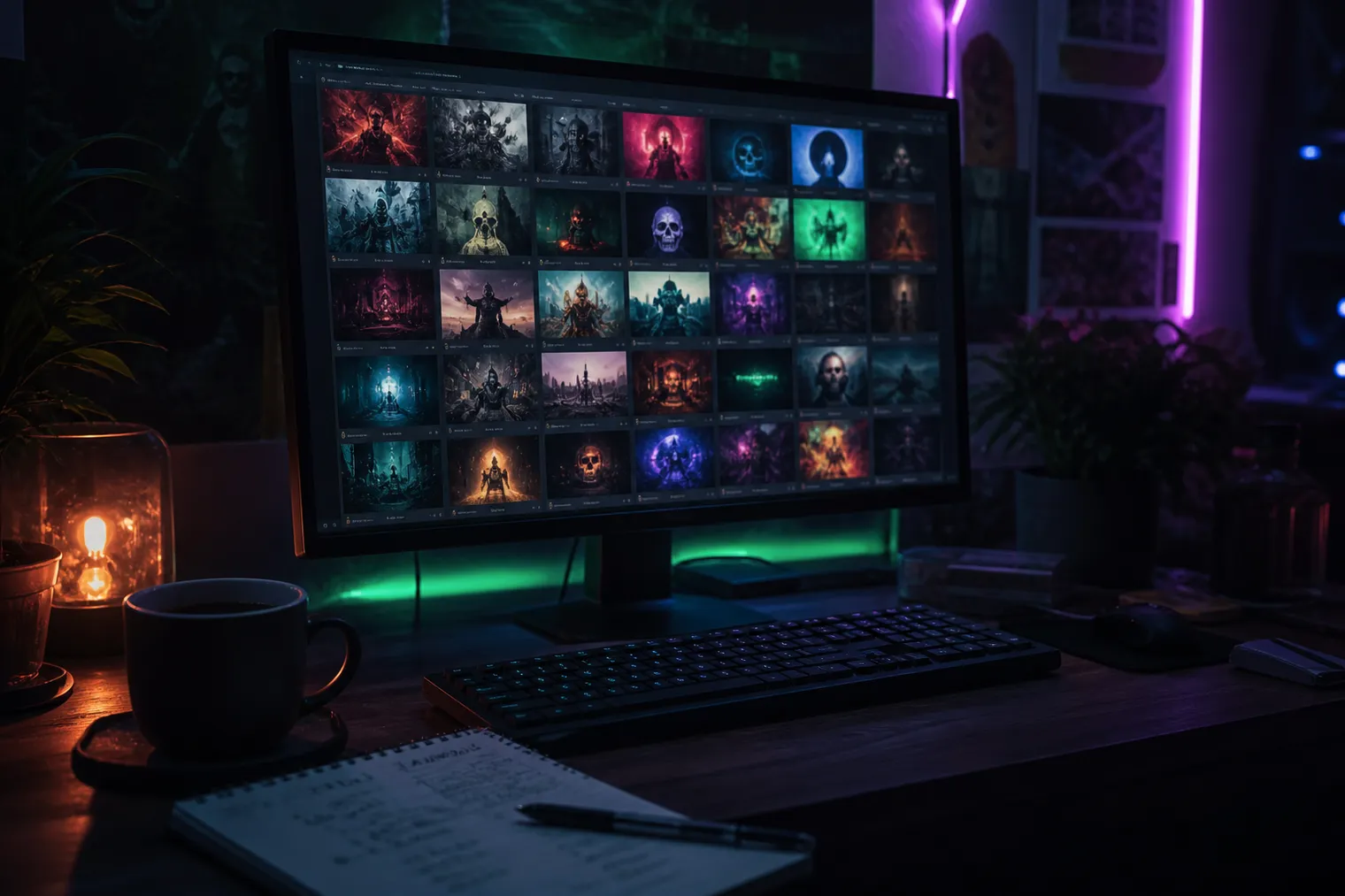
Crazy dark web sites range from bizarre forums and experimental art projects to shock content and fringe communities, but research shows approximately 68% of dark web content would be illegal under U.S. and U.K. law[1]. Common categories include:
Unusual marketplaces selling rare collectibles or strange services
Conspiracy theory hubs and paranormal discussion boards
Shock sites designed purely to disturb visitors
What Makes Dark Web Sites 'Crazy'?
Dark web sites often stand out due to their unconventional characteristics. Users are drawn to these sites for various reasons, including their bizarre content and experimental communities. Here’s a closer look at what makes these sites so intriguing.
Unusual Characteristics
Design and Functionality: Many dark web sites have unconventional designs. They may use outdated interfaces or unusual layouts. This contrasts sharply with the polished aesthetics of mainstream websites.
Strange Content: Content can range from bizarre art installations to niche forums discussing obscure topics. Some sites focus on unconventional entertainment, while others offer communities for experimental ideas.
Experimental Communities: The dark web fosters unique communities. Users often gather around shared interests that may be considered taboo or too unconventional for the clearnet.
Genuinely Weird vs. Dangerous
It’s crucial to distinguish between genuinely weird sites and those that may pose risks. Approximately 38% of Tor hidden services contain illegal content, while 62% are legal[2]. Here’s how to identify the difference:
Indicators of Weirdness: Sites that focus on creative expression or niche interests, such as art or literature, can be considered unusual yet safe.
Signs of Danger: Be cautious of sites promoting illegal activities, such as drug sales or hacking. These often have aggressive marketing tactics and may expose users to legal risks.
Why These Sites Exist
The existence of these sites stems from a desire for anonymity and freedom of expression. Users often seek safe spaces to explore controversial topics or engage with like-minded individuals. As of 2025, the Tor network hosts approximately 2.3 million users daily, reflecting a growing interest in privacy and alternative communities[3].
Whether for entertainment or information, dark web sites offer a unique glimpse into the unconventional corners of the internet. Understanding their characteristics and the potential risks will help us navigate this fascinating landscape safely.
The Strangest Marketplaces and Trading Sites
The dark web hosts a variety of marketplaces where users can buy and sell unusual items and services. While many sites feature illegal content, some focus on bizarre yet legal goods. Here’s a look at some of the strangest marketplaces we’ve encountered.
Unique Marketplaces
Candle: This marketplace offers a mix of novelty goods and rare collectibles. Sellers often list items like vintage toys, handmade crafts, and unique art pieces. The diversity of products makes it a go-to for collectors seeking something out of the ordinary.
The Dark Lair: While this site leans towards graphic content, it also features unusual art and experimental installations. Users can find creative expressions that challenge conventional norms, appealing to those interested in avant-garde culture.
Art Underground: A platform dedicated to unconventional art, this site showcases works that might not fit into mainstream galleries. Artists share their creations, promoting freedom of expression while maintaining a legal focus.
The Hidden Wiki: This directory links to various dark web sites, including legal marketplaces for bizarre goods. Users can explore a range of offerings, from unique collectibles to experimental trading platforms.
Economic Ecosystems
These marketplaces develop their own economic ecosystems. Sellers often rely on cryptocurrencies for transactions, ensuring anonymity. The competition among sellers can lead to unique pricing strategies, with some items fetching high prices due to their rarity.
Legal Considerations
While exploring these marketplaces, it's crucial to understand the legal landscape. Approximately 62% of hidden services contain legal content, but 38% host illicit material[2]. Always verify the legality of items before purchasing. Research local laws to avoid potential legal issues.
Safety Tips for Exploration
Use the Tor Browser: Always access these sites through the Tor Browser to maintain anonymity.
Enable HTTPS-Only Mode: This adds an extra layer of security when browsing[4].
Avoid Downloading Files: Stick to viewing content online to reduce the risk of malware.
Exploring dark web marketplaces can lead to fascinating discoveries. However, always prioritize safety and legality to ensure a responsible browsing experience.
Bizarre Forums and Community Sites
Dark web forums and community sites offer a unique glimpse into unconventional discussions and niche interests. These platforms allow users to explore topics that may be too bizarre or controversial for mainstream forums. Here are some noteworthy categories and examples of these unusual spaces.
Unconventional Topics
Obscure Interests: Some forums focus on the surreal, such as conspiracy theories, alternative history, or unusual hobbies. For instance, users might discuss hypothetical scenarios involving time travel or secret societies.
Experimental Ideas: Communities often engage in discussions about avant-garde art, experimental literature, or radical philosophies. These forums encourage creativity and push the boundaries of traditional thought.
Anonymous Support Groups: Certain sites provide a safe space for individuals seeking help with unconventional issues, like extreme lifestyle choices or alternative health practices. The anonymity of the dark web can foster openness in these discussions.
Unique Communication Styles
Users on these forums often adopt distinct communication methods. Some may use cryptic language or in-jokes that create a sense of belonging. Others might employ a more formal tone, treating discussions like scholarly debates. This variety adds to the richness of the community experience.
Community Rules
Many dark web forums have unconventional rules to maintain their unique atmosphere. For example, some may prohibit personal identification to ensure user anonymity. Others might encourage creative contributions, such as art or writing, as a way to engage members.
Examples of Bizarre Forums
The Anarchist Library: A community dedicated to sharing anarchist literature and discussions about political theory. Users can explore radical ideas without fear of censorship.
The Surrealist Forum: A space for discussing surrealism in art and literature, where users share their creations and critique each other's work.
The Unusual Hobbies Forum: This site allows individuals to connect over obscure interests, such as extreme ironing or competitive duck herding.
Safety Considerations
Navigating these forums safely requires diligence. While many discussions are legal, approximately 68% of dark web content can violate U.S. law[1]. Here are some tips for safe exploration:
Use the Tor Browser: Always access these sites through the official Tor Browser for anonymity.
Enable HTTPS-Only Mode: This setting encrypts your connection to supported sites[4].
Avoid Personal Information: Never share personal details, as anonymity is crucial in these communities.
Exploring bizarre forums can be fascinating, but always prioritize safety and legality. Understanding the community dynamics and potential risks will enhance your experience in these unconventional spaces.
Weird Art, Experimental Projects, and Digital Museums
The dark web is home to a range of creative and artistic projects that challenge conventional boundaries. Artists often gravitate toward this hidden space to explore themes that may not find acceptance in mainstream platforms. Here’s a glimpse into some notable examples and the reasons behind their choice of the dark web.
Unique Digital Art Installations
The Museum of Bad Art: This online museum showcases art that is intentionally bad or absurd. It invites users to appreciate the unconventional, creating a space for humor and critique of traditional art standards.
The Dark Web Art Collective: A group of artists uses this platform to share experimental works that explore themes of anonymity and surveillance. Their projects often involve interactive elements, allowing users to engage with the art in unique ways.
Virtual Reality Experiences: Some artists create immersive VR installations that can only be accessed through the dark web. These experiences often explore psychological themes and offer a safe space for users to confront their fears.
Experimental Websites
The Infinite Gallery: This site features an ever-expanding collection of digital art that evolves based on user interaction. Each visit presents a new experience, pushing the boundaries of traditional gallery spaces.
The Surrealist Experience: An interactive website that invites users to navigate a dream-like landscape filled with bizarre visuals and sounds, encouraging exploration of the subconscious.
Archival Projects
The Internet Archive’s Dark Web Collection: This initiative aims to preserve dark web content for future generations. It provides a fascinating look at the evolution of digital art and culture within this unique space.
Digital Time Capsules: Some artists create projects that document the ephemeral nature of dark web sites. These archives serve as a commentary on the fleeting nature of online art and expression.
Reasons Artists Choose the Dark Web
Artists often choose the dark web for its anonymity and freedom of expression. This space allows them to tackle controversial subjects without fear of censorship. The Tor network, with approximately 2.3 million daily users as of 2025, reflects a growing interest in privacy and alternative forms of communication[3].
Additionally, the dark web offers a unique platform for niche audiences. Artists can reach communities that appreciate unconventional ideas and experimental forms. This connection fosters a sense of belonging among creators and viewers alike.
Exploring these artistic ventures on the dark web can be rewarding, but it’s essential to prioritize safety. Always access these sites using the Tor Browser and enable HTTPS-Only Mode to protect your connection[4]. Understanding the legal landscape is crucial, as not all content may be safe or lawful.
Strange Information Archives and Libraries
The dark web hosts a variety of unusual knowledge repositories and obscure databases. These digital libraries and archives can contain everything from rare books to historical documents. Here are some notable examples and their motivations for preservation and access.
Unique Archives and Libraries
The Library Genesis: This site offers access to millions of academic articles, books, and papers. Users can find content that may be hard to access through traditional means. It's often used by students and researchers.
The Anarchist Library: A vast collection of anarchist literature and political theory. This resource aims to preserve and promote radical ideas, providing free access to materials that challenge mainstream narratives.
The Dark Web Archives: A project dedicated to preserving expired or deleted dark web content. This initiative helps document the evolution of digital culture, ensuring that unique voices are not lost.
The Internet Archive’s Dark Web Collection: This collection includes snapshots of dark web sites captured over time. It serves as a historical record, allowing researchers to study the development of online communities and ideas.
Preservation and Access Motivations
These archives exist for several reasons:
Freedom of Expression: Many creators use the dark web to share controversial or unconventional ideas without fear of censorship. The anonymity of the dark web encourages open dialogue on sensitive topics.
Access to Information: Some collections aim to provide access to materials that may not be available in traditional libraries. This can be especially important for marginalized voices or niche subjects.
Historical Documentation: Projects like the Dark Web Archives seek to preserve ephemeral content. This helps researchers understand the impact of digital culture and how it shapes our world.
Legal Considerations
While exploring these archives, it's essential to consider the legal implications. Some content may violate copyright laws or other regulations. Approximately 62% of hidden services contain legal content, but a significant portion may not[2]. Always verify the legality of the materials before using or sharing them.
Safety Tips for Exploration
Use the Tor Browser: Access these sites through the Tor Browser to maintain your anonymity and security.
Enable HTTPS-Only Mode: This setting encrypts your connection, adding an extra layer of protection[4].
Avoid Downloading Files: Stick to viewing content online to minimize the risk of malware.
Exploring strange information archives and libraries can be rewarding. However, always prioritize safety and legality to ensure a responsible browsing experience.
Real Dark Web Horror Stories and Urban Legends
The dark web is rife with stories that blur the lines between reality and myth. While some accounts are verified, others stem from urban legends. Here, we separate fact from fiction and highlight unsettling user experiences.
Verified Encounters
The Red Room: This urban legend suggests that users can access a live-streamed torture room on the dark web. While many claim to have seen it, no credible evidence exists. Most discussions are based on hearsay rather than verified experiences.
The Cannibal Cafe: A documented case involved a user who sought out cannibalistic experiences. This led to a real-life encounter with a man in Germany who was later arrested for attempting to fulfill such desires. This story underscores the disturbing possibilities lurking in hidden corners of the dark web.
The Hitman Services: Numerous threads on dark web forums discuss hitman services. While many are scams, a few cases have emerged where individuals were actually harmed. This highlights the dangers of engaging with these sites, as approximately 68% of content on the dark web may be illegal under U.S. law[1].
Common Misconceptions
All Dark Web Content is Illegal: While many sites contain illicit content, approximately 62% of hidden services are legal[2]. Users can find forums, art, and literature that do not violate laws.
The Dark Web is a Safe Haven: Many believe anonymity guarantees safety. However, exposure to scams and illegal activities can pose real risks. It's crucial to navigate these spaces with caution.
User Experiences from Forums
Reddit threads reveal chilling encounters. Users often share stories of stumbling upon disturbing content or engaging with dangerous individuals. For example, one user recounted visiting a forum where participants discussed real-life crimes in graphic detail. This experience left them feeling uneasy and questioning their safety.
Safety Precautions
When exploring the dark web, prioritize safety:
Use the Tor Browser: This software provides anonymity by routing connections through multiple encrypted nodes[5].
Enable HTTPS-Only Mode: This helps secure your connection to sites that support HTTPS[4].
Avoid Sharing Personal Information: Protect your identity by never revealing personal details.
Engaging with the dark web can lead to unsettling discoveries. Always remain vigilant and prioritize safety and legality to navigate this complex landscape responsibly.
How to Safely Explore Unusual Dark Web Sites
Exploring dark web sites can be intriguing, but safety is paramount. Here are specific protocols and common sense rules to follow for a secure experience.
Setting Up Tor Browser
Download the Official Tor Browser: Always use the official version to ensure your anonymity. Avoid third-party downloads.
Configure Security Settings: Enable HTTPS-Only Mode to ensure your connection is encrypted[4]. This setting helps protect your data from eavesdropping.
Avoid Modifications: Do not alter the browser settings or install additional plugins. These actions can expose your real IP address and compromise security[4].
VPN Considerations
Use a Reliable VPN: A Virtual Private Network adds an extra layer of security by masking your IP address. Choose one that does not keep logs and has a strong privacy policy.
Connect Before Using Tor: Always connect to the VPN before launching the Tor Browser. This ensures that your ISP cannot see your Tor usage.
Browsing Protocols
Avoid Downloads: Do not download files or click on suspicious links. This minimizes the risk of malware infections. Stick to viewing content online.
Do Not Share Personal Information: Protect your identity by refraining from sharing any personal details. Anonymity is key in these communities.
Red Flags to Avoid
Recognizing dangerous sites can protect you from potential threats. Look for these warning signs:
Unusual URL Structures: Be cautious of sites with long, confusing URLs or those that do not end in .onion.
Aggressive Advertising: Sites that push for immediate action, like downloading files or sharing personal information, should be avoided.
Lack of HTTPS: If a site does not use HTTPS, it may not be secure. Always prioritize encrypted connections.
Content That Seems Illegal: Be wary of sites that promote illegal activities or content. Approximately 68% of dark web content can violate U.S. law[1].
Following these guidelines can help ensure a safer exploration of unusual dark web sites. Always remain vigilant and prioritize your safety and legality while browsing.
The Evolution of Dark Web Weirdness (2010-2025)
The dark web has undergone significant changes between 2010 and 2025. Initially characterized by experimental sites, it has now evolved into a complex landscape filled with a variety of content. Understanding this evolution involves examining both technological advancements and cultural shifts.
Early Years: 2010-2015
In the early 2010s, the dark web was a niche space. Sites primarily catered to tech-savvy users exploring anonymity. Content often included forums discussing hacking, drugs, and political activism. The infamous Silk Road marketplace emerged during this period, showcasing illegal goods and services. This marked the dark web's transition into a more commercialized environment.
Growth and Diversification: 2016-2020
As the Tor network expanded, so did the variety of content available. By 2020, approximately 2.3 million users accessed the Tor network daily, with a significant portion exploring hidden services[3]. Dark web forums began to diversify, hosting discussions on art, literature, and alternative lifestyles. The rise of content-sharing platforms allowed users to access everything from bizarre art collections to underground music.
Current Landscape: 2021-2025
As of 2025, the dark web continues to host a mix of legal and illegal content. The number of live onion sites represents less than 0.005% of the total web, highlighting its niche status[6]. However, about 62% of hidden services contain legal content, showing that not everything is illicit[2]. Cultural factors, such as increased interest in privacy and political dissent, have driven users to explore these spaces.
Technologically, the dark web has benefited from enhanced security measures. The Tor Project emphasizes safe browsing practices, such as using HTTPS-Only Mode to encrypt connections[4]. This focus on security reflects users' growing awareness of potential risks associated with dark web exploration.
Influencing Factors
Several factors have influenced the evolution of dark web content:
Technological Advancements: Improved encryption and anonymization tools have made it easier for users to access hidden services securely.
Cultural Shifts: A growing demand for privacy and freedom of expression has led to increased exploration of unconventional ideas.
Community Building: Dark web forums have fostered communities around niche interests, providing platforms for sharing unique content.
Navigating the dark web requires caution. Always prioritize safety and legality when exploring unusual sites. Use the Tor Browser and enable security features to protect your identity and data. Understanding the evolving landscape can enhance your experience while keeping you secure.
Legal Boundaries: What's Weird vs What's Illegal
When exploring the dark web, understanding legal boundaries is crucial. Many users may unknowingly cross into illegal territory while seeking out bizarre or unusual content. Knowing what is considered legal versus illegal can help you navigate these waters safely.
Defining Legal Limits
Laws governing online content vary significantly by country. For instance, while a site may be legal in one jurisdiction, it may be illegal in another. Roughly 68% of dark web content could violate U.S. law, indicating a high risk for users[1]. When engaging with dark web sites, always consider the following:
Local Laws: Research your country's laws regarding online content. Some countries have stricter regulations than others.
Content Type: Certain content, like drugs or weapons, is illegal almost universally. Conversely, discussions on free speech may be protected in some regions.
Recognizing Illegal Content
Understanding when curiosity turns illegal is essential. Here are some scenarios to help identify potential legal issues:
Illegal Marketplaces: Sites selling drugs or weapons are typically illegal. Engaging with these can lead to severe legal consequences.
Harmful Content: Content that promotes violence or exploitation, such as certain gore sites, is illegal in many jurisdictions.
Copyright Violation: Accessing pirated media or sharing copyrighted content without permission can lead to legal action.
Jurisdiction Issues
Jurisdiction can complicate legal matters on the dark web. For example, a user in the U.S. accessing a site hosted in another country may face different legal repercussions. The Tor network's anonymity can shield users, but it does not eliminate legal risks. It's important to remember that:
International Laws: Some activities may be legal in one country but illegal in another. Always be aware of the laws applicable to your location.
Extradition Treaties: Countries may collaborate on enforcing their laws across borders. Engaging in illegal activities can result in serious consequences, even if the site is hosted elsewhere.
Guidance for Safe Exploration
To explore the dark web safely and legally, follow these guidelines:
Research Before Visiting: Familiarize yourself with the content and legality of sites before accessing them.
Use Caution with Personal Information: Never share personal details that could expose you to legal risks.
Stay Informed: Keep up with changes in laws regarding online content to ensure compliance.
Exploring the dark web can be fascinating, but it’s essential to prioritize safety and legality. By understanding legal boundaries, we can enjoy the unique experiences the dark web offers without facing unwanted consequences.
Crazy Dark Web Sites Safety Checklist
- Site Name
- The Hidden Wiki
- Risk Level
- Medium
- Indicators
- User-generated content, mixed legality
- Description
- A directory of dark web links, both legal and illegal.
- Site Name
- Dread
- Risk Level
- Low
- Indicators
- Community-driven, user moderation
- Description
- A forum for discussions on various topics, including tech and privacy.
- Site Name
- Candle
- Risk Level
- Medium
- Indicators
- Varying content legality, user reviews
- Description
- A marketplace for unique items, some legal and some not.
- Site Name
- Dark Web News
- Risk Level
- Low
- Indicators
- Focus on news, legal topics
- Description
- Provides updates on dark web developments and safety tips.
- Site Name
- The Dark Lair
- Risk Level
- High
- Indicators
- Graphic content, illegal themes
- Description
- Hosts disturbing imagery and videos, viewer discretion advised.
- Site Name
- R/Onion
- Risk Level
- Medium
- Indicators
- Community-driven, mixed legality
- Description
- A subreddit-style forum for sharing experiences and links.
- Site Name
- Anarchy Archives
- Risk Level
- High
- Indicators
- Potentially illegal content
- Description
- A collection of controversial writings and discussions.
- Site Name
- The Vault
- Risk Level
- Medium
- Indicators
- Legal and illegal resources
- Description
- A site for sharing files, some of which may be illegal.
- Site Name
- Art Underground
- Risk Level
- Low
- Indicators
- Focus on legal art content
- Description
- Showcases unconventional art free from mainstream censorship.
- Site Name
- The Library
- Risk Level
- Medium
- Indicators
- Mixed legality, user-generated
- Description
- A collection of books and articles, some controversial.
Key Takeaways
Prioritize Safety Tools: Always use the Tor Browser with default settings and pair it with a reputable VPN to protect your identity while exploring unusual sites.
Understand Legal Risks: Remember that 68% of dark web content could violate U.S. law[1]. Research your local regulations before visiting any .onion domain.
Avoid Downloads and Suspicious Sites: Never download files from unknown sources, and exit immediately if a site uses pressure tactics or promotes illegal activities.
Stay Informed About Evolution: The dark web landscape shifts constantly, with only 8,416 live domains out of 55,000 found[6]. Keep your knowledge current to navigate safely.
Trust Your Instincts: If something feels wrong or too sensational, leave the site. Legitimate communities focus on information sharing, not illegal transactions.
Ready to explore more unusual corners? Check out our guide on Cool Dark Web Sites: A Curated List for vetted recommendations.
Frequently asked questions
- What exactly are the dangers besides the obvious don't download suspicious links or open any sketchy websites?
Beyond malware, you face accidental exposure to illegal content (68% of dark web sites could violate U.S. law[1]), law enforcement monitoring of Tor exit nodes, and targeted scams exploiting curious visitors. Your browser fingerprint leaks identity clues if you modify Tor Browser settings or install plugins[4], and torrent applications ignore proxy settings to send your real IP address even when configured to use Tor[4]. ISPs and government agencies may flag your traffic patterns as suspicious simply for using Tor, regardless of what you access.
- If I'm a noob and want to explore onion sites, what should I know?
Expect 85% of onion addresses to be dead links[6], so frequent connection failures are normal. Download only the official Tor Browser from torproject.org, never modify settings or add plugins[4], and enable HTTPS-Only Mode to encrypt connections to destination sites[4]. Start with established directories like The Hidden Wiki, avoid entering personal information anywhere, and remember that 38% of hidden services contain illegal content[2].
- What was the weirdest website you found while surfing the dark web?
We don't fabricate personal experiences, but documented examples include art collectives hosting surreal digital installations, forums dedicated to fringe conspiracy theories with elaborate "evidence" archives, and repositories of abandoned 1990s internet culture preserved in original HTML. The weirdness typically comes from niche communities discussing topics too unconventional for mainstream platforms—like philosophical debates on post-human consciousness or collaborative fiction projects with no clear authors. Check our curated list above for verified unusual sites that balance curiosity with safety.
- What's so bad about the dark web?
The dark web isn't inherently bad—62% of Tor hidden services contain legal content[2], including privacy-focused forums and censorship-resistant journalism. The negative reputation stems from 38% hosting illegal material like drug markets, stolen data, and exploitation content[2], with media sensationalism amplifying these dangers. The real problem is that illegal and legal content coexist without clear visual boundaries, making accidental exposure to criminal activity a genuine risk when you click unfamiliar links.
- How to access the dark web safely?
Download the official Tor Browser from torproject.org, connect through a no-logs VPN before launching Tor, and use default security settings without installing plugins[4]. Enable HTTPS-Only Mode to encrypt connections to destination sites[4], never torrent files (it leaks your real IP[4]), and avoid downloading anything from unknown sources. Exit immediately if a site displays illegal content, uses pressure tactics, or requests personal information—treat every .onion domain as potentially hostile until proven otherwise.
- What is the difference between deep web and dark web?
The deep web includes all unindexed content like password-protected email, corporate databases, medical records, and subscription sites—anything Google can't crawl[7]. The dark web is a tiny subset requiring special software like Tor or I2P[5], representing less than 0.005% of the web with only 8,416 live onion domains out of 55,828 discovered[6]. Analogy: the deep web is private rooms in a building accessible with keys, while the dark web is a hidden basement reachable only through secret tunnels.
- Do I need a VPN to access dark web sites?
While Tor encrypts traffic within its network, a VPN hides your Tor usage from your ISP and masks your IP before you connect to the first Tor node[4]. This prevents your internet provider from knowing you're using Tor—which can itself raise red flags in some jurisdictions—and adds a layer if Tor's entry node is compromised. Choose a VPN with a strict no-logs policy and servers in privacy-friendly countries, but remember it won't protect you from downloading malware, visiting illegal sites, or law enforcement monitoring exit nodes.
- Are all dark web sites illegal?
No—research shows 62% of Tor hidden services contain legal content[2], including privacy forums, whistleblower platforms, and censorship-resistant news sites. However, studies analyzing content legality found that 68% of dark web sites could violate U.S. or U.K. law[1], and when measuring by hidden service rather than individual pages, over 50% of services contain illegal material[8]. The mix of legal and illegal content makes it difficult to navigate safely without accidentally encountering criminal activity.
Cited sources
- SHINING A LIGHT ON THE DARK WEB
- Exploring and analyzing the dark Web: A new alchemy
- Dark Web Statistics 2025: Inside the $470M Underground
- Tor Browser best practices - Security - Tor Browser — Tor
- Election Security Spotlight – The Surface Web, Dark Web, and Deep Web
- Dark Web Myths and Realities: Separating Hype from Truth | Recorded Future
- If12172.web.html
- Structure and Content of the Visible Darknet
Discover More Dark Web Adventures
Explore our other fascinating articles for a deeper dive.
Explore Now Exploring Dark Web Links for Adult ContentDiscover safe dark web links for adult content. Learn how to access these resources while prioritizing your privacy and security.
 Dark Web Site Video: A Unique ResourceExplore dark web site videos to uncover unique content and hidden services. Learn how to access safely and discover valuable resources.
 Adult Onion Sites: What to ExpectExplore adult onion sites to discover hidden content and services on the dark web while ensuring your safety and privacy.