

Most people should focus on How to Check If Your SSN Is on the Dark Web and Immediate Steps If Your SSN Is Found on the Dark Web — these sections deliver actionable protection you can implement today through free government resources like IdentityTheft.gov[1] and credit freezes[2]. If you're researching dark web mechanics or legal risks, start with How Dark Web SSN Marketplaces Operate and Legal Consequences of Purchasing or Using Stolen SSNs to understand the $2–$500+ pricing ecosystem[3][4] and federal penalties up to 30 years[5].
What to Look For When Evaluating Dark Web SSN Marketplaces
- Vendor Reputation and Longevity
- Established sellers with years of activity and verified feedback systems are less likely to scam you outright. Check forum threads and marketplace ratings spanning multiple months—new vendors with perfect scores are often honeypots or exit-scam setups.
- Data Freshness and Verification Methods
- Recent breaches yield more valuable SSNs since victims haven't frozen credit yet. Legitimate sellers provide sample data formats, breach dates, and sometimes proof-of-validity screenshots. Avoid listings with vague descriptions like "fresh fullz" without specifics.
- Escrow and Payment Protection
- Reputable marketplaces hold funds until you confirm data validity, reducing fraud risk. Direct cryptocurrency transfers to sellers offer zero recourse if you receive fake information. Always verify the platform uses automated or moderator-held escrow before purchasing.
- Pricing Consistency with Market Rates
- SSNs typically cost $2–$15 depending on completeness and credit score. Prices far below this range signal stolen-from-stolen data or outright scams. Cross-reference multiple vendors to establish baseline pricing before committing.
- Operational Security Practices
- Sellers who enforce PGP encryption for communication and prohibit clearnet contact take OPSEC seriously, reducing law enforcement exposure. Marketplaces with mandatory two-factor authentication and no JavaScript requirements protect both parties from deanonymization attacks.
- Refund and Replacement Policies
- Trustworthy vendors offer replacements for invalid SSNs or already-frozen accounts within 24–48 hours. Read the fine print—some only replace data if you prove invalidity through specific verification services they designate, which may themselves be compromised.
Dark Web SSN Marketplaces: A Comparative Overview
- Operation Mechanism
- SSNs sold for under $2; Fullz range from $5-$100+ depending on data
- Price Range
- SSN: $2; Fullz: $5-$30; Complete profiles: $20-$100+
- Legal Consequences
- Up to 15 years imprisonment for misuse; fines apply
- Criminal Use
- Used for identity theft, fraud, or selling to others
- Monitoring Options
- Check at IdentityTheft.gov; monitor credit reports
- Operation Mechanism
- SSNs often found in 1 in 4 data breaches; 69% of breaches expose SSNs
- Price Range
- SSNs exposed in 190 out of 733 dark web databases
- Legal Consequences
- 5 years imprisonment for SSN misuse; higher for repeat offenses
- Criminal Use
- Facilitates various crimes, including financial fraud
- Monitoring Options
- Use AnnualCreditReport.com for credit checks; freeze credit
- Operation Mechanism
- SSNs can be sold multiple times; often linked to recent breaches
- Price Range
- Prices influenced by age and credit file thickness
- Legal Consequences
- Legal action possible under 18 U.S.C. § 1028
- Criminal Use
- Criminals may use SSNs for terrorism-related activities
- Monitoring Options
- Create an account at socialsecurity.gov/myaccount for monitoring
- Operation Mechanism
- SSNs can be difficult to remove without proof of misuse
- Price Range
- Legal penalties for unauthorized use; fines may apply
- Legal Consequences
- Criminals may use SSNs for synthetic identity fraud
- Criminal Use
- Younger identities command higher prices due to fraud potential
- Monitoring Options
- Consider long-term monitoring services for ongoing protection
How Dark Web SSN Marketplaces Operate
Dark web marketplaces for Social Security numbers (SSNs) function through various platforms, including forums, encrypted marketplaces, and Telegram channels. These sites allow sellers to offer stolen SSNs, often at very low prices. Research indicates that a stolen SSN can cost as little as $2[3]. Full identity profiles, known as “Fullz,” which include SSNs and additional personal information, can sell for $5 to $30, depending on the data's completeness[6].
Transactions typically involve cryptocurrency payments, which offer anonymity to both buyers and sellers. To mitigate risks, many marketplaces utilize escrow systems. This means that funds are held until the buyer confirms the validity of the data received. This process reduces the likelihood of fraud, as buyers can dispute transactions if the information is incorrect[4].
In terms of marketplace types, some platforms are dedicated solely to selling SSNs, while others may offer a broader range of stolen information. For example, some marketplaces specialize in “Fullz,” which may include credit card information and other identifiers, fetching prices up to $100 or more for complete profiles[4]. Telegram channels also serve as informal marketplaces, where individuals can negotiate directly with sellers.
The strong demand for SSNs is evident, especially with the alarming statistics showing that approximately 1 in 4 U.S. data breaches expose these numbers[3]. This high exposure rate makes SSNs a valuable commodity on the dark web, attracting both opportunistic criminals and organized groups looking to exploit personal information for identity theft and fraud.
Dark Web SSN Prices and What Determines Value
Current pricing for Social Security numbers (SSNs) on the dark web typically ranges from $1 to $8. Research indicates that a stolen SSN can cost as little as $2[3]. Full identity packages, known as "Fullz," which include SSNs along with additional personal information, usually sell between $5 and $30[6]. More comprehensive profiles, including SSNs and dates of birth, can command prices from $20 to over $100[4]. Medical records can be even more valuable, sometimes exceeding $500[4].
Several factors influence the pricing of SSNs on the dark web:
Completeness of Information: Basic SSNs are cheaper compared to "Fullz," which offer a complete identity profile.
Credit Score: Higher credit scores may increase the value of the SSN, as they are more appealing to identity thieves.
Market Demand: Prices can fluctuate based on the current demand for stolen identities.
Here’s a comparison table for different types of identity data and their typical price ranges:
| Identity Data Type | Price Range |
|---|---|
| Social Security Number (SSN) | $1 - $8 |
| Fullz (complete identity) | $5 - $30 |
| Complete profiles (SSN + DOB) | $20 - $100+ |
| Medical records | $500+ |
Understanding these price points and factors is crucial for anyone concerned about identity theft risks.
How SSNs End Up on the Dark Web
Social Security numbers (SSNs) find their way onto the dark web through various breach sources. Common sources of breaches include corporate data breaches, phishing attacks, malware infections, insider threats, and public records scraping. In fact, approximately 1 in 4 U.S. data breaches expose SSNs, with 190 out of 733 U.S.-linked dark web databases analyzed containing leaked SSNs[3].
Statistics reveal a troubling trend. In the first half of 2023, SSNs were exposed in 69% of data breaches, up from 60% previously, making SSNs the second most frequently exposed credential[7]. High-profile breaches, such as the one in 2025 where TransUnion notified over 4.4 million people about compromised SSNs, highlight the ongoing risks[8].
The supply chain from an initial breach to a dark web listing is straightforward. Once a breach occurs, stolen SSNs are often sold in bulk to cybercriminals. These criminals then list them on dark web marketplaces. The timeline from breach to appearance on the dark web can be rapid, often taking just weeks or even days. After listing, SSNs can sell for as little as $2, making them an attractive target for identity thieves[3].
Understanding these pathways is crucial for anyone concerned about the security of their SSN. Taking proactive steps to monitor and protect personal information can help mitigate risks associated with these breaches.
Legal Consequences of Purchasing or Using Stolen SSNs
Engaging in the purchase or use of stolen Social Security numbers (SSNs) can lead to severe legal consequences. Identity theft, fraud, and conspiracy are federal crimes associated with these actions. Under 18 U.S.C. § 1028, knowingly transferring, possessing, or using someone else's identification can result in imprisonment for up to 15 years and substantial fines[5]. If the identity theft is connected to terrorism, the penalty could increase to 30 years[5].
Prosecution cases illustrate these risks. For instance, individuals caught using stolen SSNs have faced significant jail time, with some sentenced to over a decade in prison. The Social Security Act also imposes penalties, including up to five years in prison for misuse of SSNs[9].
Both buyers and sellers of stolen SSNs carry liability. Buyers risk criminal charges for using these numbers to commit fraud, while sellers can be prosecuted for trafficking in stolen identities. The dark web's anonymity does not shield participants from law enforcement. Investigations often extend beyond U.S. borders, complicating jurisdiction issues. International cooperation among law enforcement agencies means that individuals involved in these transactions can face charges in multiple countries.
Understanding these legal ramifications is crucial for anyone considering involvement in dark web SSN marketplaces. The penalties are severe, and the risks of prosecution are high, making it vital to think carefully before engaging in such activities.
What Criminals Do With Purchased SSNs
Criminals exploit purchased Social Security numbers (SSNs) in various fraud schemes. Common tactics include:
Tax Refund Fraud: Using stolen SSNs to file fake tax returns and claim refunds.
Credit Card Applications: Opening credit cards in the victim's name to rack up debt.
Loan Fraud: Securing loans using stolen identities, leaving victims responsible for the debts.
Medical Identity Theft: Accessing medical services using someone else's SSN, impacting victims' health records.
Employment Fraud: Using stolen SSNs to gain employment, complicating tax and benefit records for victims.
Criminals often combine SSNs with other personal data to create "Fullz," which sell for $5 to $30 on the dark web[6]. Complete profiles, including SSNs and dates of birth, can fetch between $20 and over $100[4]. This comprehensive data allows criminals to conduct more sophisticated fraud against victims.
The downstream impact on victims can be significant. Financial damages per incident can range from thousands to tens of thousands of dollars, depending on the extent of the fraud. Victims may face difficulties in securing loans, obtaining credit, or even receiving medical care due to the misuse of their identities.
In addition to financial loss, victims often endure emotional stress and a lengthy recovery process. The Federal Trade Commission recommends reporting stolen SSNs and taking steps like credit monitoring and freezing credit to mitigate further damage[1][2]. Understanding these risks can guide individuals toward proactive measures to protect their identity.
How to Check If Your SSN Is on the Dark Web
Monitoring your Social Security number (SSN) is crucial to protect against identity theft. Several legitimate services can help you check if your SSN appears on the dark web, including Experian's dark web scan, CreditWise alerts, and Have I Been Pwned. These services can provide different levels of monitoring, from basic alerts to comprehensive identity theft protection.
Dark web monitoring services typically scan various dark web sources for your information. They alert you if your SSN or other personal details are found. However, it's important to understand the limitations. No service can guarantee complete protection, as new breaches occur frequently, and not all data is indexed. Free services may offer basic checks but often lack the depth of paid options, which generally provide ongoing monitoring and more detailed alerts.
Choose a Monitoring Service: Select between free and paid options based on your needs.
Create an Account: Provide your personal details as required by the service.
Run a Scan: Initiate a search for your SSN on the dark web.
Review Alerts: Check any alerts or notifications about your SSN.
Alerts typically indicate whether your SSN is found in a breach or being sold. If you receive an alert, take immediate action, such as freezing your credit or reporting the incident to the Federal Trade Commission. The FTC recommends checking your credit report and monitoring your accounts for suspicious activity as key steps in protecting against identity theft[1][2].
Understanding how these monitoring services work can help you make informed decisions about protecting your identity.
Immediate Steps If Your SSN Is Found on the Dark Web
If your Social Security number (SSN) is discovered on the dark web, taking immediate action is essential. Here’s a prioritized checklist to guide you through the necessary steps:
Credit Freeze
Freeze your credit with all three major bureaus: Experian, TransUnion, and Equifax. This prevents new accounts from being opened in your name.Experian: Visit their website or call 1-888-397-3742.
TransUnion: Visit their website or call 1-888-909-8872.
Equifax: Visit their website or call 1-800-349-9960.
A freeze is effective immediately, while a lock may require re-verification.
Fraud Alerts
Place a fraud alert on your credit report to warn lenders to take extra steps before issuing credit. You only need to contact one bureau, and they will notify the others. This alert lasts for one year.IRS Identity Protection PIN
Apply for an Identity Protection PIN through the IRS to secure your tax filings. This PIN is essential for filing your taxes securely, especially if your SSN was compromised.Change Account Passwords
Update passwords for all financial and personal accounts. Use strong, unique passwords and consider enabling two-factor authentication for added security.Monitoring Setup
Set up credit monitoring to keep an eye on any unusual activity. Services can alert you to changes in your credit report, helping you catch potential fraud early.
Timeline for Actions
Credit Freeze: Immediate
Fraud Alerts: Within 24 hours
IRS PIN: 1-2 weeks for processing
Password Changes: Immediate
Monitoring Setup: Within a few days
The difference between a credit freeze and a lock is significant. A freeze restricts access to your credit report entirely, while a lock allows you to manage access more flexibly.
Finally, report the incident to the Federal Trade Commission at IdentityTheft.gov. They provide resources and a personalized recovery plan to help you navigate this situation effectively[1][2].
Can You Remove Your SSN From the Dark Web
Removing your Social Security number (SSN) from the dark web is nearly impossible. The decentralized nature of the dark web means there is no single authority to enforce takedowns. Once your SSN is out there, it can be replicated and shared across multiple platforms. This data replication complicates any attempts to erase your information.
Many services claim to remove your SSN from the dark web, but these often turn out to be scams. They may charge hefty fees without delivering any results. Legitimate removal is not feasible, and paying for such services can lead to further financial loss.
Instead of focusing on removal, we recommend mitigation strategies. Realistic expectations are crucial. You cannot eliminate the risk entirely, but you can take steps to control the damage. For instance, freezing your credit can prevent new accounts from being opened in your name. Monitoring your credit report regularly can help you catch unauthorized activity early[2].
If your SSN has been compromised, follow a structured plan. Reporting to the Federal Trade Commission and setting up fraud alerts are effective initial steps. Understand that while you cannot remove your SSN from the dark web, you can fortify your defenses against potential identity theft.
Long-Term Protection Strategies After SSN Exposure
Monitoring your Social Security number (SSN) is critical after exposure. We recommend ongoing monitoring to catch any misuse early. Credit monitoring services alert you to changes in your credit report, while identity theft protection services offer broader coverage, including assistance with recovery if fraud occurs. Identity theft protection typically costs between $10 and $30 per month, while credit monitoring can be found for free or at a similar price point, depending on features[2].
Maintaining a credit freeze is advisable if your SSN is compromised. A freeze prevents new accounts from being opened in your name and remains in effect until you lift it. This can be done for free with all three major credit bureaus. A fraud alert is another option; it warns creditors to verify your identity before issuing credit[2].
When filing taxes, consider applying for an IRS Identity Protection PIN. This unique number is essential for filing securely and can prevent fraudulent tax returns from being filed using your SSN[1]. Early filing is also recommended to avoid potential tax-related identity theft.
Be aware of the statute of limitations regarding fraud. Generally, you have up to three years to file a lawsuit for identity theft under federal law, but state laws may vary. Knowing these timelines can help you act promptly if you suspect fraud[5].
Taking these steps can provide long-term protection and peace of mind after an SSN exposure.
Pros and Cons of Dark Web SSN Monitoring and Protection
Pros
- Legitimate monitoring services like Experian, CreditWise, and Have I Been Pwned can alert you if your SSN appears in a breach, enabling early detection.
- Credit freezes with Experian, TransUnion, and Equifax are free and immediately prevent criminals from opening new accounts in your name.
- IRS Identity Protection PINs secure your tax filings and prevent fraudsters from filing fake returns using your stolen SSN.
- Ongoing credit monitoring costs between $10 and $30 per month and provides alerts to catch unauthorized activity early.
- Fraud alerts last one year and require creditors to verify your identity before issuing credit, adding an extra security layer.
Weaknesses
- No monitoring service guarantees complete protection, as new breaches occur frequently and not all dark web data is indexed.
- Removing your SSN from the dark web is nearly impossible due to decentralized data replication across multiple platforms.
- Many removal services are scams that charge hefty fees without delivering results, leading to further financial loss.
- Identity theft protection services cost $10 to $30 monthly, and free options often lack the depth and ongoing monitoring of paid versions.
- Victims face financial damages ranging from thousands to tens of thousands of dollars per incident, plus emotional stress and lengthy recovery processes.
Bottom Line: What to Do After SSN Exposure
If your SSN appears on the dark web, skip removal services—they're scams. Focus on damage control instead. Freeze your credit immediately with all three bureaus (Experian, TransUnion, Equifax) for free. This blocks new accounts in your name. Place a fraud alert next, which lasts one year and requires creditors to verify your identity before issuing credit.
For ongoing protection, choose credit monitoring if you want basic alerts ($10–$30 monthly) or identity theft protection for comprehensive coverage and recovery assistance. Apply for an IRS Identity Protection PIN to secure tax filings and file early each year. Monitor your credit report regularly and update passwords on all accounts.
Understand that no service guarantees complete protection—new breaches happen constantly. Realistic expectations matter: you can't erase your SSN from the dark web, but you can fortify defenses and catch fraud early. For broader dark web safety practices, see our guide on Legal Dark Web Sites: What You Should Know.
Frequently asked questions
- How did my SSN get on the dark web
Your SSN likely reached the dark web through a data breach at a company that stored your information. Approximately 1 in 4 U.S. data breaches expose Social Security numbers, and 69% of breaches in the first half of 2023 included SSN exposure[3][7]. Breaches at healthcare providers, financial institutions, retailers, or government agencies can leak your SSN to criminals who then sell it on dark web marketplaces. Other pathways include phishing attacks that trick you into revealing your SSN, malware that steals data from your devices, or physical theft of documents containing your number.
- How much does an SSN cost on the dark web
A standalone SSN sells for under $2 on dark web forums and private messaging channels according to Coveron research[3]. Complete stolen identities called 'Fullz'—which include SSN, date of birth, and other details—sell for $5 to $30 depending on available information[6]. Full identity profiles with SSN and date of birth can fetch $20 to $100+ in 2024, while medical records command up to $500+[4]. Younger consumers' identities sell at higher premiums because randomized SSNs facilitate synthetic fraud and thinner credit files are easier to exploit[6].
- Is it illegal to buy SSN on dark web
Yes, buying an SSN on the dark web is a federal crime under 18 U.S.C. § 1028. Knowingly transferring, possessing, or using another person's identification without lawful authority with intent to commit unlawful activity can result in imprisonment for up to 15 years, a fine, or both[5]. Repeat offenders face up to 20 years imprisonment[5], and identity theft committed to facilitate terrorism can result in up to 30 years[5]. The Social Security Act also provides penalties of up to five years in prison and fines for SSN misuse[9].
Cited sources
- Report stolen Social Security number | SSA
- IdentityTheft.gov - When Information is Lost or Exposed
- Your SSN sells for $2 on the dark web | Coveron
- How Prices are Set on the Dark Web: Exploring the Economics of Cybercrime
- 18 U.S.C. § 1028: Fraud and related activity in connection with identification documents, authentication features, and information
- What Criminals Pay to Buy Stolen Identities, and Tips to Keep Yours Safe
- Social Security Numbers were exposed in 69% of breaches in 2023 | Security Magazine
- SSN Found on the Dark Web: Meaning, Risks, and What to Do | CloudSEK
- U.S. Attorneys' Bulletin Vol 53 No 01, Social Security Fraud
 Legal Dark Web Sites: What You Should KnowDiscover legal dark web sites that prioritize privacy and safety. Explore resources for secure access and legitimate services.
 Darknet Market Websites: A Cautionary OverviewExplore darknet market websites with our cautionary overview, highlighting key risks and essential safety tips for secure access.
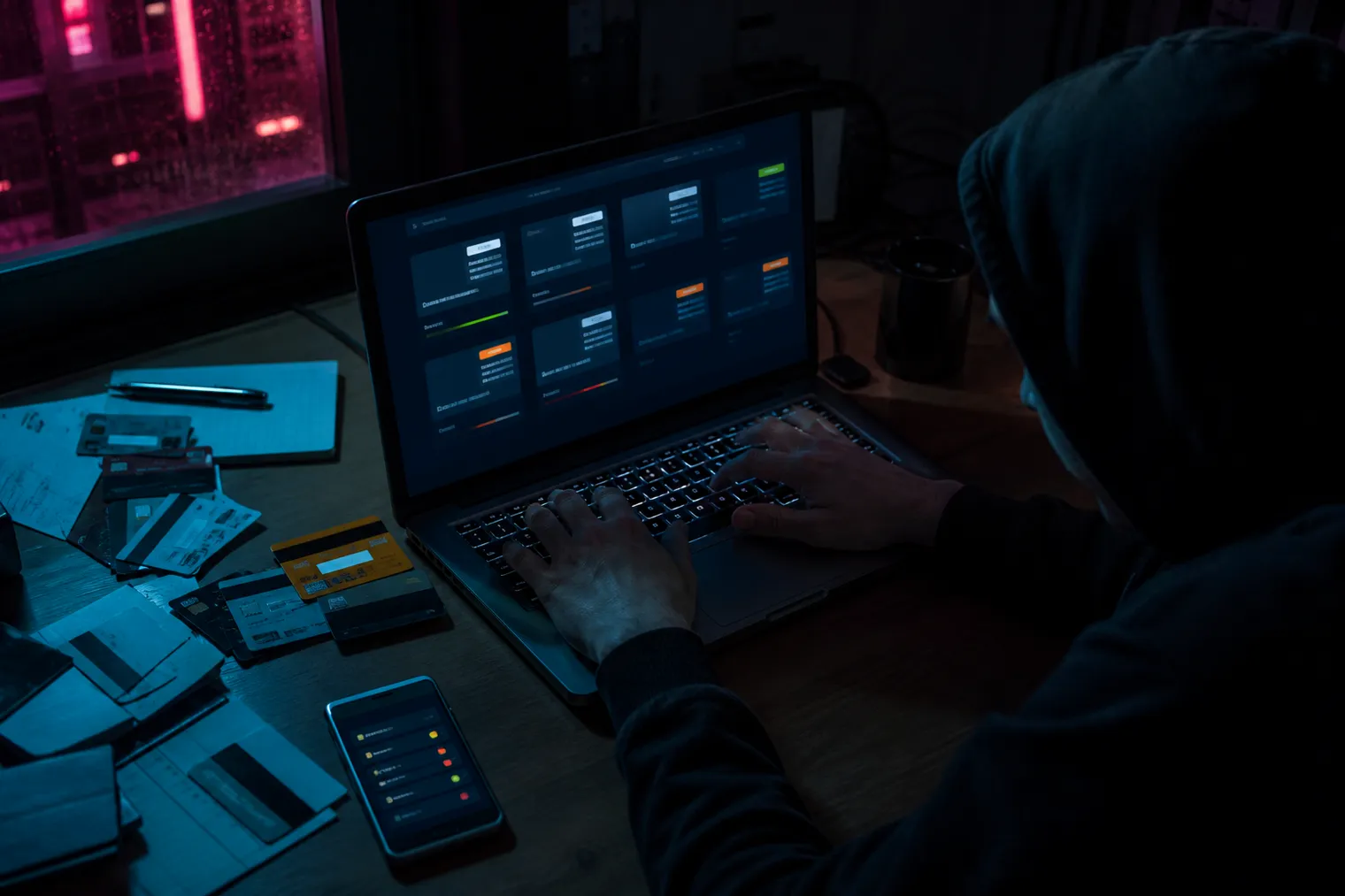 Dark Web Card Sites: A Cautionary OverviewExplore dark web card sites to understand their risks and how to protect yourself from potential fraud and scams.